What is breast cancer?

Breast cancer starts when cells in your breast grow abnormally. These cells can multiply and spread to other tissues. After skin cancer, breast cancer is the most common cancer in women today. In fact, about one in eight women will be diagnosed with breast cancer in their lifetime. While uncommon, men can get breast cancer too. Men make up less than 1% of all cases.

Whether you want to know your risk or you’re navigating a breast cancer diagnosis, you have many resources for prevention, detection, treatment and recovery. You have access to complete services from several areas of care across the Baylor Scott & White system—all dedicated to beating breast cancer.

breast cancer survivor outside excercising

Types of breast cancer

There are many different types of breast cancer, and the type of breast cancer you have depends on various factors, including where it begins, whether it has spread and other characteristics.

Typically, breast cancer begins in the lobules, which are the glands in your breast that produce milk, or in the milk ducts. In rare cases, you can develop cancer in other areas, such as the nipple.

Cancers are also classified based on whether they have spread to other tissues—invasive cancers—or remained in the area where they started—noninvasive cancers. Finally, doctors classify cancers by whether they have certain receptors that can attract or bind to hormones that drive cancer growth. Your cancer may be:

  • Estrogen-receptor (ER) positive
  • Progesterone-receptor (PR) positive
  • Hormone (HR) positive, meaning they have estrogen and progesterone receptors
  • Human epidermal growth factor type 2 (HER2) positive, meaning they have the HER2 protein which, like hormones, can promote cancer growth

Symptoms of breast cancer

One of the main signs of breast cancer is a lump, which can appear in your breast or underarm. However, lumps don’t always occur with every type of breast cancer. When they appear or are large enough to be felt, cancer may be advanced or fast-growing.
Early-stage breast cancer does not always cause symptoms. Still, it’s important to know what to look for so you can identify changes in your breasts during monthly self-exams.

In addition to breast lumps, signs and symptoms of breast cancer include:

  • A nipple that pulls or turns in
  • Changes in your breast’s size or shape
  • Discharge from the nipple that is not breast milk
  • Pain in your breast or nipple
  • Skin changes in the breast or around the nipple, such as dimpling, puckering, irritation, redness, dryness or flaking
  • Swelling or thickening in the breast or armpit

What causes breast cancer?

Breast cancer is caused by breast cells that grow out of control. Medical experts do not know exactly why breast cells grow out of control in some women, but it may occur because of hormones or changes in your genes that you inherit from your parents or that develop over the course of your life. Genes control how your cells grow, divide and repair problems in DNA that can lead to cancer.

Researchers have identified many genetic changes that can increase your risk of developing breast cancer, including changes in BRCA1 and BRCA2, two genes commonly associated with the disease. However, many gene changes that cause breast cancer develop after you are born and are not well understood.

mother and daughter smiling together after going through breast cancer treatment

Risk factors for breast cancer

Knowing your risk for breast cancer allows you to take proactive steps to care for your breast health. Some breast cancer risk factors are within your control, and healthy changes may lower your risk. Others are not, but regular screenings can help you identify cancer early when it’s easier to treat.

middle aged women thinking about breast cancer risk factors

Diagnosing breast cancer 

Doctors typically diagnose breast cancer using imaging tests. If you have concerning symptoms, an imaging test may help determine what could be causing the symptoms. Your provider may also order another imaging test if a screening mammogram detects a suspicious spot or abnormality.

Based on the results of the imaging test, you may need a procedure called a biopsy to confirm a diagnosis.

Medical history and exam

Your OBGYN or women’s health provider may perform a clinical breast exam during your annual well-woman exam.

Clinical breast exams are typically not used to diagnose breast cancer. If your provider suspects something abnormal, they may recommend a diagnostic mammogram, a breast MRI or a breast ultrasound.
Breast cancer stages

Several tests are used to measure a cancer’s stage. Staging depends on the size and grade of a tumor, how far it has spread and whether it has protein receptors (also called biomarkers). The stage of your cancer will help determine your treatment.

In general, breast cancer is staged from 0 to IV. Stage 0 cancer is the lowest stage. These cancers are noninvasive and often labeled as “carcinoma in situ.” Stage IV cancers are the most advanced form of the condition and are often referred to as metastatic breast cancer, which means it has spread outside the breast to the bones, lungs, liver or brain.

consulting with a doctor about breast cancer stages

Treatment for breast cancer

Breast cancer treatment could include surgery, radiation therapy or medications. Your breast cancer care team will work with you to develop a treatment plan based on the stage and type of your condition. Your team can also help you weigh the pros and cons of each treatment, so you can choose the options that work best for your long-term health and life goals and understand what type of follow-up care you may need after treatment.

Surgery

Most women have some type of surgery to treat breast cancer. The type of surgery you need will depend on your diagnosis.
  • Lumpectomy: A lumpectomy, also called breast-conserving surgery, allows your breast surgeon to remove a tumor and, in some cases, surrounding tissue and lymph nodes but leave most of the breast intact. You may have radiation therapy or another treatment after a lumpectomy.
  • Mastectomy: During a mastectomy, your breast surgeon removes one or both breasts. In some cases, nearby lymph nodes are also removed. Nipple- and skin-sparing mastectomies leave the nipple or skin behind so you can have breast reconstruction surgery.
  • Breast reconstruction: Breast reconstruction may be an option after a mastectomy or lumpectomy. Discussing your options for reconstruction with your breast surgeon before having surgery to treat the cancer helps you decide which type of surgery you may want or need.

How to prevent breast cancer

You can’t always prevent breast cancer, especially if you have genetic mutations or other risk factors beyond your control. However, you can take steps to protect yourself from breast cancers associated with lifestyle behaviors.

  • Breastfeed if you plan to have children.
  • Eat a healthy diet. Some evidence suggests that getting more fiber and eating more fruits and vegetables may lower your risk. A healthy diet will also help you stay at a healthy weight.
  • Exercise regularly. The American Cancer Society recommends getting at least 150 to 300 minutes of moderate-intensity physical activity per week.
  • Limit your alcohol intake. Research has shown that drinking even one drink a day can have an impact on breast cancer risk.
  • Maintain a healthy weight. Aim for a body mass index of between 18.5 and 24.9. Your BMI is a measure of your height compared with your weight.
  • Quit smoking. You’ll reduce your risk for breast and many other cancers.

Why Baylor Scott & White for breast cancer

When you choose us for your breast cancer care, you get access to multiple specialists, support services, clinical trials, patient navigators and more across Texas. Our cancer care team not only treats your breast cancer but also cares for you as a person.

From prevention to life after cancer, we guide you through your entire journey, and often, you don’t have to travel far. With the largest network of cancer centers in Texas, we bring advanced breast cancer treatment and years of expertise straight to you.
Breast cancer care near you

We help you get care at a location that fits your needs. We offer several locations for your care, including specialized breast cancer centers in North and Central Texas.

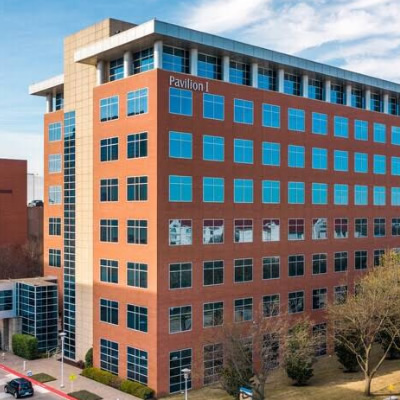
Baylor Scott & White - Plano Brain and Spine Center

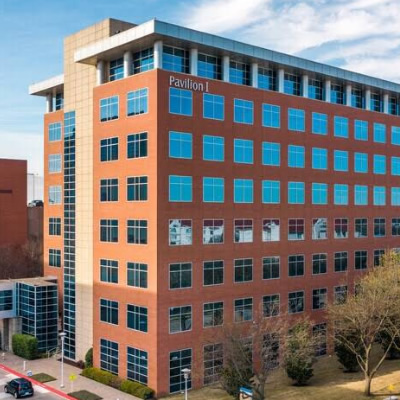
4708 Alliance Blvd Pavilion I, Ste 810, Plano, TX, 75093

Not accepting walk-ins

Baylor Scott & White - The Brenham Clinic

600 N Park St, Brenham, TX, 77833

Not accepting walk-ins

Baylor Scott & White Breast Care Specialists of Texas

1250 8th Ave Ste 650, Fort Worth, TX, 76104

Not accepting walk-ins

Baylor Scott & White Breast Care Specialists of Texas (Satellite)

6100 Harris Pkwy Ste 260, Fort Worth, TX, 76132

Not accepting walk-ins

Not accepting walk-ins

Baylor Scott & White Cancer Center - Killeen

2207 S Clear Creek Rd Ledger and Smith Professional Bldg, Ste 101, Killeen, TX, 76549

Not accepting walk-ins

Baylor Scott & White Cancer Center - Round Rock

300A University Blvd, Round Rock, TX, 78665

Not accepting walk-ins

Baylor Scott & White Center for Advanced Surgery - Dallas

3417 Gaston Ave Ste 965, Dallas, TX, 75246

Not accepting walk-ins

Baylor Scott & White Center for Advanced Surgery - Plano

4708 Alliance Blvd Pavilion I, Ste 200, Plano, TX, 75093

Not accepting walk-ins

Accepting walk-ins

Baylor Scott & White Center for Hernia Surgery - McKinney

5236 W University Dr Ste 4600, McKinney, TX, 75071

Not accepting walk-ins

Baylor Scott & White Center for Hernia Surgery - Waxahachie

2360 N Interstate 35E Ste 310, Waxahachie, TX, 75165

Not accepting walk-ins

Baylor Scott & White Center for Reconstructive Urology

1101 6th Ave Ste 110, Fort Worth, TX, 76104

Not accepting walk-ins

Not accepting walk-ins

Baylor Scott & White Charles A. Sammons Cancer Center - Irving

2001 N MacArthur Blvd Ste 120, Irving, TX, 75061

Not accepting walk-ins

Baylor Scott & White Charles A. Sammons Cancer Center - Waxahachie

2380 N Interstate 35E, Waxahachie, TX, 75165

Not accepting walk-ins

Baylor Scott & White Clinic - Austin Avery Ranch

10526 W Parmer Ln Ste 409, Austin, TX, 78717

Not accepting walk-ins

Baylor Scott & White Clinic - Austin Circle C

5000 W Slaughter Ln Building 6, Ste 100, Austin, TX, 78749

Not accepting walk-ins

Baylor Scott & White Clinic - Austin Downtown

200 E Cesar Chavez St Ste G140, Austin, TX, 78701

Not accepting walk-ins

Baylor Scott & White Clinic - Austin Jollyville Road

11673 Jollyville Rd Ste 205, Austin, TX, 78759

Not accepting walk-ins

Baylor Scott & White Clinic - Austin North Burnet

2608 Brockton Dr, Austin, TX, 78758

Not accepting walk-ins

Baylor Scott & White Clinic - Austin Northwest

9800 N Lake Creek Pkwy Ste 200, Austin, TX, 78717

Not accepting walk-ins

Baylor Scott & White Clinic - Austin Oak Hill

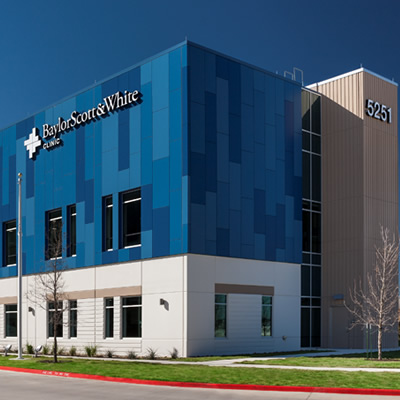
5251 US 290, Austin, TX, 78735

Not accepting walk-ins

Baylor Scott & White Clinic - Austin Onion Creek

11209 S Interstate 35, Austin, TX, 78747

Not accepting walk-ins

Baylor Scott & White Clinic - Austin River Place

10815 Ranch Rd 2222, Austin, TX, 78730

Not accepting walk-ins

Baylor Scott & White Clinic - Austin Southwest

9521 US 290 Ste 105, Austin, TX, 78736

Not accepting walk-ins

Baylor Scott & White Clinic - Austin Tech Ridge

500 Canyon Ridge Dr Ste 208, Austin, TX, 78753

Not accepting walk-ins

Baylor Scott & White Clinic - Austin Westgate

4419 Frontier Trl Ste 110, Austin, TX, 78745

Not accepting walk-ins

Baylor Scott & White Clinic - Bee Cave

16018 W SH 71, Bee Cave, TX, 78738

Not accepting walk-ins

Baylor Scott & White Clinic - Belton

1505 N Main St, Belton, TX, 76513

Accepting walk-ins

Not accepting walk-ins

Baylor Scott & White Clinic - Belton South

1001 Arbor Park, Belton, TX, 76513

Accepting walk-ins

Baylor Scott & White Clinic - Brenham Day Street

2111 S Day St, Brenham, TX, 77833

Not accepting walk-ins

Baylor Scott & White Clinic - Brenham Hwy 290

604 US 290, Brenham, TX, 77833

Not accepting walk-ins

Baylor Scott & White Clinic - Bryan Boonville

748 N Earl Rudder Fwy, Bryan, TX, 77802

Not accepting walk-ins

Baylor Scott & White Clinic - Bryan West Villa Maria Road

2612 W Villa Maria Rd, Bryan, TX, 77807

Not accepting walk-ins

Baylor Scott & White Clinic - Buda Medical Center

5330 Overpass Rd Ste 100, Buda, TX, 78610

Not accepting walk-ins

Baylor Scott & White Clinic - Burnet

1300 E Polk St, Burnet, TX, 78611

Not accepting walk-ins

Baylor Scott & White Clinic - Caldwell

1010 Woodson Dr, Caldwell, TX, 77836

Not accepting walk-ins

Baylor Scott & White Clinic - Cameron

101 Lafferty Ave Ste B, Cameron, TX, 76520

Accepting walk-ins

Baylor Scott & White Clinic - Cedar Park

910 E Whitestone Blvd, Cedar Park, TX, 78613

Not accepting walk-ins

Baylor Scott & White Clinic - College Station Arrington Road

1296 Arrington Rd Ste 100, College Station, TX, 77845

Not accepting walk-ins

Baylor Scott & White Clinic - College Station Midtown

4035 State Hwy 6 S, College Station, TX, 77845

Not accepting walk-ins

Baylor Scott & White Clinic - College Station Rock Prairie

800 Scott and White Dr, College Station, TX, 77845

Not accepting walk-ins

Baylor Scott & White Clinic - College Station University Drive

1700 University Dr E, College Station, TX, 77840

Not accepting walk-ins

Baylor Scott & White Clinic - College Station Wellborn

15195 Wellborn Rd, College Station, TX, 77845

Not accepting walk-ins

Baylor Scott & White Clinic - Copperas Cove

239 W US Hwy 190, Copperas Cove, TX, 76522

Accepting walk-ins

Baylor Scott & White Clinic - Gatesville

319 S State Hwy 36 Bypass Ste 401, Gatesville, TX, 76528

Accepting walk-ins